June 13, 2026
Understanding how long gutters last is essential for homeowners who want to protect their property and avoid costly repairs. The lifespan of gutters depends heavily on the material used, the local climate, and how well the system is maintained. Choosing the right gutters can help prevent water damage, improve curb appeal, and reduce long-term expenses.
According to Business Market Insight, North America Market Value: Valued at ~$3.41B in 2023, projected to reach $4.73B by 2031. This growth highlights how important gutters have become in modern home construction and maintenance decisions.
Aluminum Gutters: A Balance of Durability and Cost
Overview
Aluminum gutters are one of the most popular options due to their affordability and resistance to rust. They are lightweight, easy to install, and available in a wide range of colors. These gutters work well in many climates and are suitable for both residential and commercial properties.
Lifespan
Most aluminum gutters last between 20 and 30 years. Their longevity depends on environmental conditions and maintenance habits. While they resist corrosion, they can dent from impacts such as falling branches or ladders.
Maintenance
Regular cleaning and inspections are key to extending the life of aluminum gutters. Removing debris helps prevent clogs and water buildup, which can lead to sagging or damage over time.
Pros and Cons
Aluminum gutters are affordable, rust-resistant, and versatile. However, they may not be as strong as heavier materials and can be prone to dents. For many homeowners, they offer a strong balance between cost and performance.
Vinyl Gutters: Affordable and Lightweight
Overview
Vinyl gutters are known for their low cost and ease of installation. Many homeowners choose them for DIY projects because they are lightweight and simple to assemble.
Lifespan
Vinyl gutters typically last 10 to 20 years. Their lifespan can be shorter in extreme climates, especially in areas with freezing temperatures or intense sunlight.
Climate Considerations
These gutters perform best in mild climates. In colder regions, they may become brittle and crack, while strong UV exposure can cause fading and weakening over time.
Pros and Cons
Vinyl gutters are budget-friendly and rust-proof, but they are less durable than metal options. Homeowners should consider climate conditions before choosing this material.
Stainless Steel Gutters: Strength and Longevity
Overview
Stainless steel gutters are known for their strength and durability. They are resistant to corrosion and can handle heavy rainfall and harsh weather conditions.
Lifespan
These gutters can last 50 years or more with proper care. Their durability makes them a long-term investment for homeowners looking for reliability.
Maintenance
Although strong, stainless steel gutters still require periodic cleaning and inspections. Keeping them free of debris helps maintain their performance.
Pros and Cons
Stainless steel gutters are highly durable and long-lasting, but they come with a higher upfront cost. Their strength makes them ideal for demanding environments.
Copper Gutters: Premium and Long-Lasting
Overview
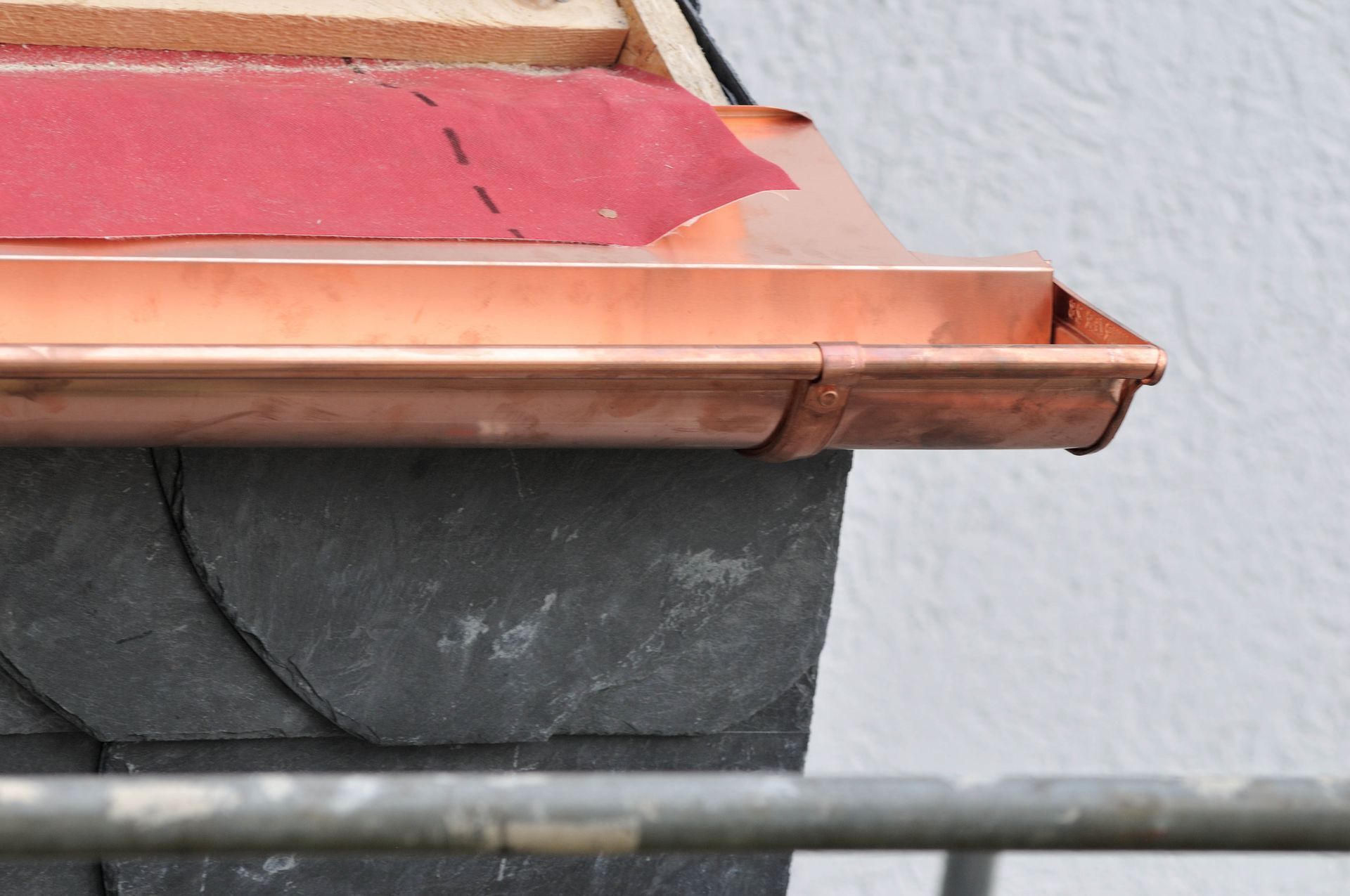
Copper gutters are valued for their appearance and durability. Over time, they develop a natural patina that adds character and protects against corrosion.
Lifespan
These gutters can last 50 years or longer, making them one of the most durable options available. Their longevity often offsets the initial investment.
Maintenance
Maintenance mainly involves keeping gutters clear of debris. Some homeowners choose to polish copper, while others prefer the natural aging process.
Pros and Cons
Copper gutters offer excellent durability and visual appeal. However, they are expensive and typically require professional installation due to their weight.
Galvanized Steel Gutters: Durable but Maintenance-Heavy
Overview
Galvanized steel gutters are coated with zinc to resist rust. They are strong and can handle heavy loads, making them suitable for areas with snow or debris.
Lifespan
These gutters usually last 20 to 30 years. Their lifespan depends on how well the protective coating is maintained.
Maintenance
Regular inspections are necessary to prevent rust. If the coating becomes damaged, exposed steel can corrode quickly.
Pros and Cons
Galvanized steel gutters are strong and cost-effective, but they require more maintenance than other materials. Proper care is essential for maximizing their lifespan.
Zinc Gutters: A Long-Term Investment
Overview
Zinc gutters are known for their durability and unique self-healing properties. Over time, they develop a protective layer that helps prevent damage.
Lifespan
Zinc gutters can last up to 80 years, making them one of the longest-lasting options available. Their extended lifespan makes them appealing for long-term homeowners.
Maintenance
These gutters require minimal maintenance beyond routine cleaning. The natural patina helps protect against wear and corrosion.
Pros and Cons
Zinc gutters are extremely durable and require less upkeep, but they come with a higher upfront cost. Their longevity can make them a worthwhile investment.
Additional Considerations When Choosing Gutters
Impact of Debris and Vegetation
Regardless of the gutter material, the presence of trees or other vegetation near your home can dramatically affect their lifespan. Leaves, twigs, and seeds can quickly clog gutters, leading to water overflow and damage to the home's foundation. Installing gutter guards can help reduce debris accumulation, but regular inspections are still necessary to ensure optimal function.
Water Flow and Downspouts
The efficiency of gutters depends not just on the material but also on proper water flow management. Downspouts need to be strategically placed to guide water away from the foundation. Poorly positioned or blocked downspouts can cause water to pool around the home, potentially undermining even the longest-lasting gutter system.
Environmental Factors
Environmental conditions such as wind, hail, and snow load affect gutter performance over time. In regions with heavy rainfall, larger or reinforced gutters might be necessary to prevent sagging or overflow. Coastal areas with high salt content in the air may accelerate corrosion in materials like aluminum or galvanized steel, while copper and stainless steel are more resistant.
Professional vs DIY Installation
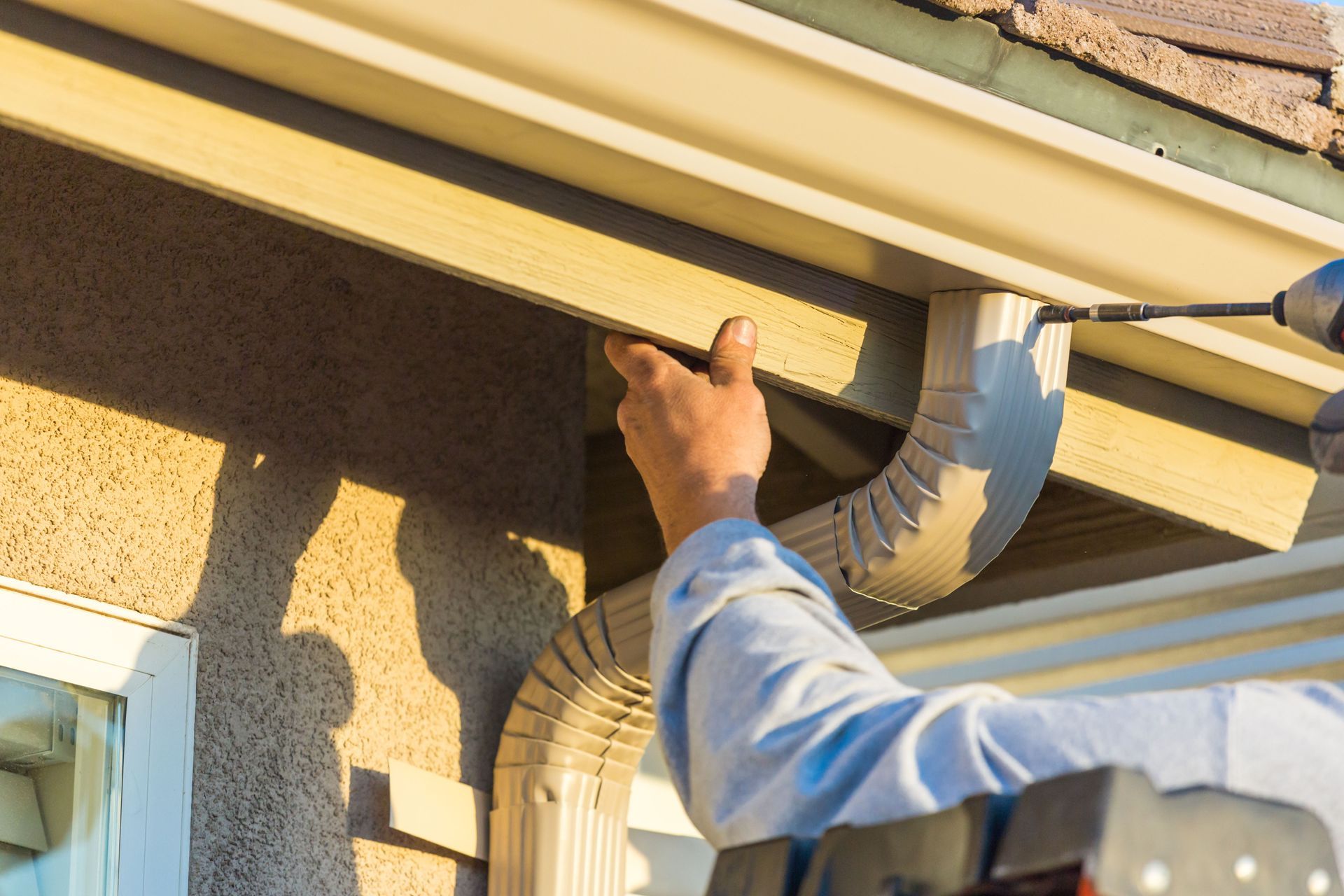
Proper installation is crucial to maximizing gutter lifespan. Incorrectly sloped gutters or poorly sealed joints can shorten their functional life regardless of material. While vinyl gutters are often a DIY-friendly option, professional installation for aluminum, stainless steel, copper, and zinc ensures long-term durability and prevents future issues.
Regular Inspection and Early Repair
Routine inspections are essential for identifying small problems before they become major issues. Checking for loose fasteners, leaks, and sagging sections can prevent water damage to walls, landscaping, and foundations. Addressing minor repairs promptly extends the lifespan of gutters and avoids costly replacements.
Impact of Seasonal Changes
Seasonal variations can significantly affect gutter durability. Heavy snow and ice can cause gutters to bend or detach, while falling leaves in autumn increase the risk of clogs. Homeowners in regions with pronounced seasonal changes should consider materials that withstand both extreme heat and freezing conditions, such as stainless steel or zinc, to ensure longevity and reliable performance year-round.
The lifespan of gutters varies widely depending on the material, installation quality, and maintenance practices. Aluminum and galvanized steel offer a balance of affordability and durability. Vinyl is cost-effective but best suited for mild climates. Copper and stainless steel provide exceptional longevity and aesthetic appeal, while zinc gutters offer the ultimate in durability and self-healing properties. By carefully considering these factors, homeowners can select gutters that will protect their property and deliver reliable performance for decades.
Investing in the right gutters, performing routine maintenance, and considering environmental conditions can maximize the lifespan and efficiency of your system. Choosing the best gutters for your home not only safeguards your property but also enhances long-term value and reduces costly repairs over time. Taking a proactive approach ensures that gutters remain a reliable, functional component of your home for decades, protecting both the structure and the landscaping from potential water damage. For more information, contact G & N Gutters.