November 24, 2026
Buying a home comes with plenty of responsibilities, and protecting the property from water damage should be near the top of the priority list. Gutters play an essential role in directing rainwater away from the roof, siding, foundation, and landscaping. However, not every home comes with a properly functioning gutter system, making installation an important consideration for new homeowners.
Understanding what happens during rain gutter installation can make the process easier to navigate. From the initial property assessment to selecting materials and planning drainage, professional installers help homeowners make informed decisions about protecting their investment. Knowing what to expect also makes it easier to recognize quality workmanship and understand the long-term benefits of a properly designed system.
Understanding the Initial Assessment and Planning Process
Evaluating Your Home's Gutter Requirements
Before installation begins, professionals typically assess the home's exterior to determine what type of gutter system will provide adequate protection. This evaluation considers several factors, including roof dimensions, roof pitch, architectural features, and the property's overall drainage requirements. These details help installers determine the appropriate gutter size, placement, and configuration.
The property's surroundings also influence the planning process. For example, trees near the roof may contribute to additional debris accumulation, while certain landscaping features may affect where rainwater should be directed. During rain gutter installation, professionals consider these conditions to develop a solution that accommodates the home's specific characteristics. A thorough assessment helps prevent problems associated with undersized gutters, inadequate drainage, and poorly positioned downspouts.
Determining the Appropriate Gutter Size and Layout
Gutter dimensions are not necessarily the same for every home. Installers must account for the amount of rainwater the roof collects and how efficiently the system needs to transport it toward the downspouts. According to HomeGuide, a home's gutter length generally amounts to approximately one-tenth of its total square footage. This provides a general reference point, although actual requirements depend on the property's roof design and drainage needs.
The layout also determines how effectively the system handles water during heavy rainfall. Professionals identify suitable locations for gutters along the roofline and determine where downspouts should be installed to move water away from the foundation. Homes with multiple roof sections, valleys, or unusual architectural features may require additional planning to ensure that water reaches the appropriate drainage points. Custom measurements help create a system that fits the property rather than relying on standard dimensions that may not provide sufficient coverage.
Reviewing Material and Design Options
New homeowners may be surprised by the variety of gutter materials and styles available. Aluminum is a common option because it is lightweight, durable, and available in different colors. Copper is another possibility for homeowners seeking an elegant appearance and exceptional longevity. Copper gutters develop a natural patina over time, creating a distinctive finish that can complement certain architectural styles.
Another important consideration for rain gutter installation is whether to choose sectional or seamless gutters. Sectional systems consist of individual pieces connected along the roofline, creating multiple seams where leaks can potentially develop. Seamless gutters are custom-fitted to the property, reducing the number of joints and helping minimize potential leak points. During the consultation, installers can explain the differences between these options and help homeowners select a material and design that suit their preferences.
Recognizing What Happens During Professional Installation
Preparing the Roofline and Installation Area
Once the design and materials have been selected, the installation team prepares the property for the work. This may involve inspecting the roofline, checking existing fascia boards, removing old gutters, and identifying any areas that need attention before the new system is attached. Proper preparation is important because gutters rely on secure attachment points to remain stable and functional.
Homeowners should expect installers to take measurements and mark the appropriate placement along the roofline. These measurements help establish the correct slope, which allows gravity to move water toward the downspouts instead of allowing it to collect inside the channels. Professionals also consider the condition of the surrounding surfaces and make sure the installation area is ready for the new components. Addressing potential problems before rain gutter installation begins helps support a more reliable finished system.
Installing and Securing the Gutter System
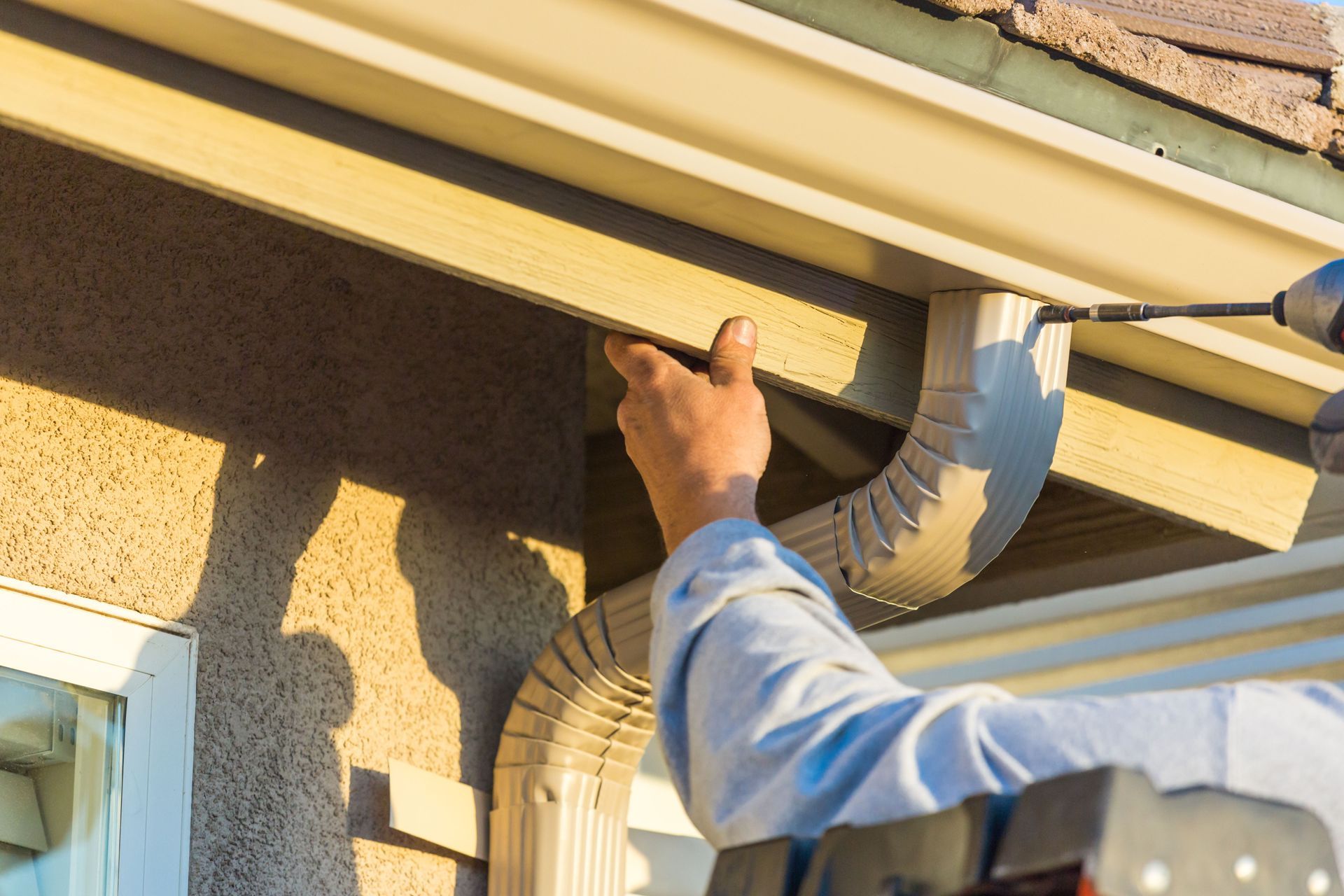
After preparation, installers position and secure the gutter sections along the designated areas of the roofline. For seamless systems, the gutters are typically formed on-site to match the home's measurements. This approach allows professionals to create longer sections with fewer joints, improving the system's appearance while reducing opportunities for leaks.
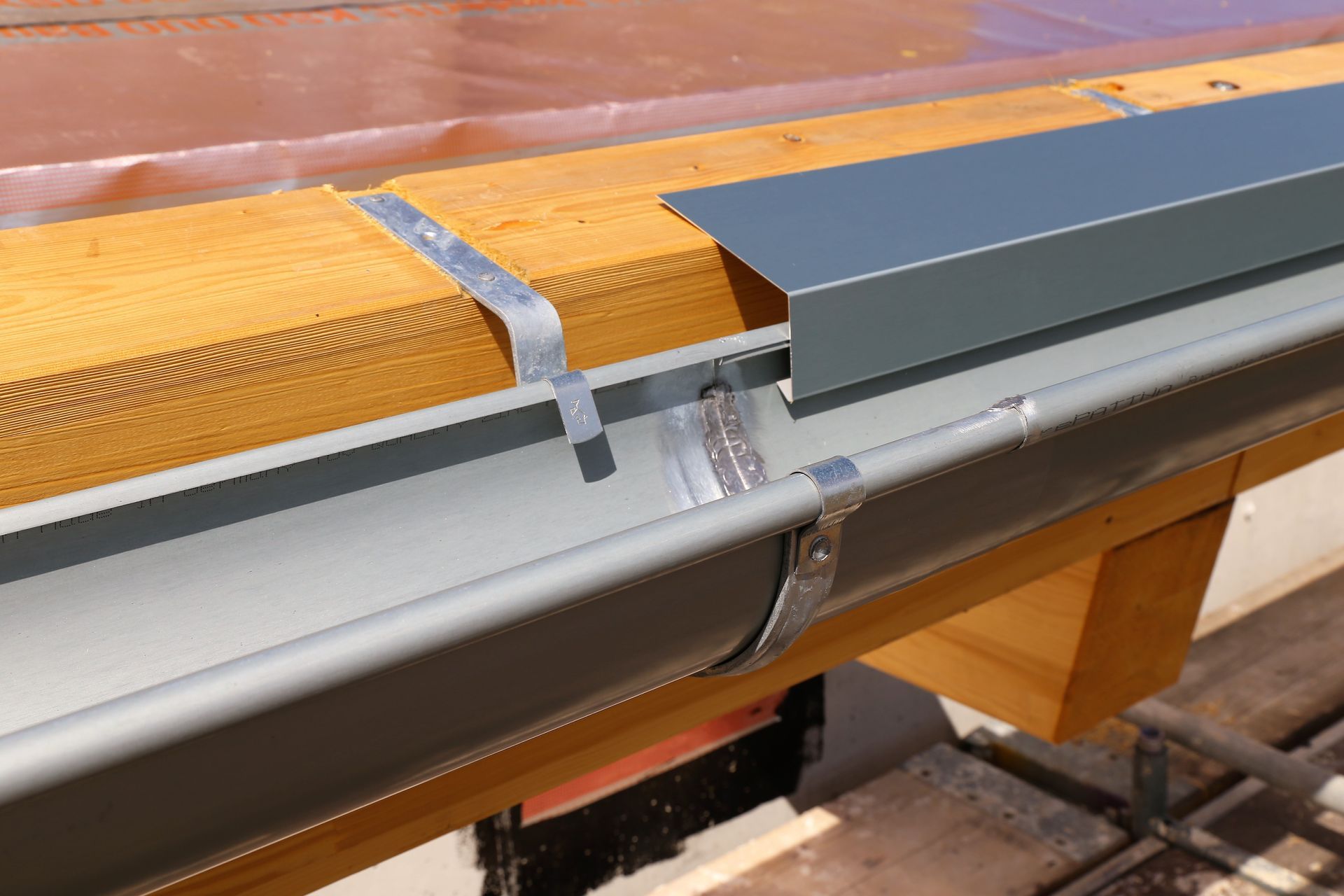
The installation team also uses appropriate brackets, hangers, and fasteners to support the gutters. These components must be positioned correctly to prevent sagging, separation, or other structural problems. Installers pay close attention to the alignment and slope of each section, ensuring water can travel toward the designated drainage points. Professional workmanship is especially important around roof corners and other transition areas, where improper connections can interfere with water flow or create potential leak locations.
Knowing What to Expect After Installation Is Complete
Reviewing the Finished System and Testing Its Performance
Once the gutters and downspouts are installed, professionals should inspect the completed system to verify that its components are properly aligned and securely attached. This includes checking the connections, fasteners, corners, and drainage outlets for potential problems. Installers may also evaluate water flow to identify obstructions, leaks, or areas where adjustments are necessary.
Homeowners should take this opportunity to review the finished work and ask questions about the system's operation. Understanding where water exits the downspouts and how the system is supported can make future maintenance easier. A professional inspection also provides an opportunity to address concerns before the installation team leaves. Reputable contractors take care to ensure the completed project meets their workmanship standards and provides the drainage performance the property requires.
Learning About Maintenance and Long-Term Care
Even a professionally installed gutter system requires routine maintenance to remain effective. Leaves, twigs, dirt, and other debris can accumulate inside the channels, eventually restricting water flow. New homeowners should understand that cleaning and inspecting gutters periodically helps prevent clogs, overflowing water, and unnecessary strain on the system.
Inspections are particularly important during spring and fall, when seasonal debris can collect more frequently. Homeowners should also check for loose fasteners, visible leaks, sagging sections, and damaged downspouts. After significant storms, an additional inspection can help identify problems caused by wind, fallen branches, or heavy rainfall. During rain gutter installation, professionals can explain the maintenance requirements associated with the selected materials and provide recommendations for keeping the system in good condition.
Understanding Warranties and Professional Support
Another consideration for new homeowners is the warranty and service support offered by the installation contractor. A workmanship warranty can provide additional reassurance by establishing coverage for certain installation-related problems that may develop after the project is completed. Before agreeing to a service, homeowners should review the warranty terms, including its duration, covered issues, and any applicable exclusions.
Some contractors offer additional maintenance and repair services, making it easier to address problems without searching for another provider. For example, a five-year labor and service warranty offers an extended period of coverage for qualifying workmanship concerns. Homeowners should also ask whether the contractor provides free estimates and what support is available if questions arise after rain gutter installation. Choosing an experienced professional with a commitment to quality workmanship can make the entire process more straightforward, from the initial consultation through post-installation support.
Installing a reliable gutter system is an important step toward protecting a newly purchased home. Professional installers evaluate the property's drainage requirements, recommend suitable materials, customize the layout, and ensure gutters and downspouts work together effectively. Understanding these steps helps homeowners know what to expect and make informed decisions about their property's exterior.
With proper planning, quality materials, and professional workmanship, a new gutter system can provide dependable water management while complementing the home's appearance. Investing in rain gutter installation also establishes a foundation for better long-term property protection, helping homeowners avoid preventable water damage and maintain their investment. Contact G & N Gutters today for a free gutter installation quote!